

“The Wings of the Dove” by Henry James is a novel that has captivated readers for over a century. It tells the story of Milly Theale, an American heiress who is stricken with a serious disease and the impact she has on those around her. The novel is a masterpiece of allegory, with the dove …
allegoryexplained

“The Shadow of the Sun” by Ryszard Kapuściński is a captivating memoir that explores the author’s experiences as a journalist in Africa. Through vivid storytelling, Kapuściński provides a unique perspective on the continent, delving into its history, politics, and the impact of colonialism. The book offers a thought-provoking and insightful look at Africa’s past and …

“The Waves” by Virginia Woolf is a novel that is often considered one of the most challenging works of modernist literature. The novel follows the lives of six friends from childhood to old age, exploring their inner lives and the complexities of their relationships. At its core, “The Waves” is an allegory that uses the …

The Street of Crocodiles by Bruno Schulz is a collection of interwoven short stories set in a fictional Galician town in what is now Ukraine. The book is a masterpiece of modernist literature, offering a unique blend of reality and fantasy. Schulz’s vivid and poetic writing style creates a surreal world that is both enchanting …

“The Story of the Stone” by Cao Xueqin is a classic Chinese novel that has been widely read and studied for centuries. Also known as “Dream of the Red Chamber,” the book is considered one of the Four Great Classical Novels of Chinese literature. It is known for its intricate plot, vivid characters, and exploration …

The Path to the Nest of Spiders is a novel by Italian writer Italo Calvino. The book was published in 1947 and tells the story of Pin, a cobbler’s apprentice, who lives in a town on the Ligurian coast during World War II. Pin lives with his sister, who is a prostitute, and often spends …

“The Harp of Burma” is a poignant novel by Michio Takeyama that tells the story of a group of Japanese soldiers who are stranded in Burma after the end of World War II. The soldiers, who are part of the “singing company,” are known for their love of music and their ability to keep their …

The Moon and Sixpence is a novel written by W. Somerset Maugham that was first published in 1919. The book is an allegory that tells the story of Charles Strickland, a middle-aged English stockbroker who abandons his family and career to pursue his passion for painting. Strickland’s journey takes him to Paris, where he meets …

Earl Lovelace’s novel “The Dragon Can’t Dance” is a powerful allegory that explores themes of community, tradition, and resistance. Set in the postcolonial Trinidad, the novel follows the life of Aldrick Prospect, a man who spends the entire year recreating his dragon costume for Carnival. Through Aldrick’s interactions with other people who live in his …
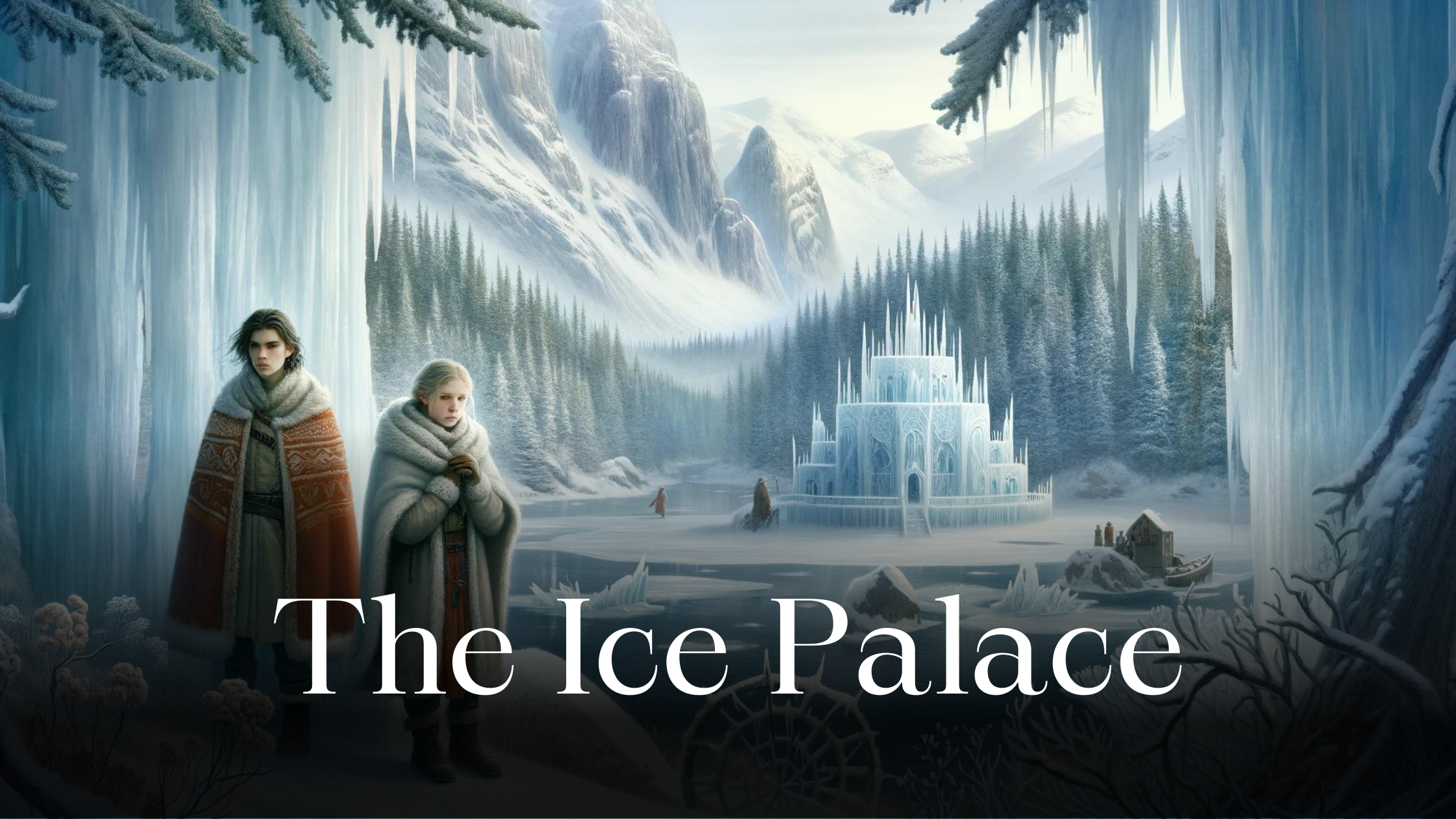
“The Ice Palace” is a novel by Tarjei Vesaas that tells the story of two young girls, Siss and Unn, and the profound impact that their brief encounter has on each other’s lives. The novel takes place in a small Norwegian village where the winter landscape is as cold and unforgiving as the emotions that …